
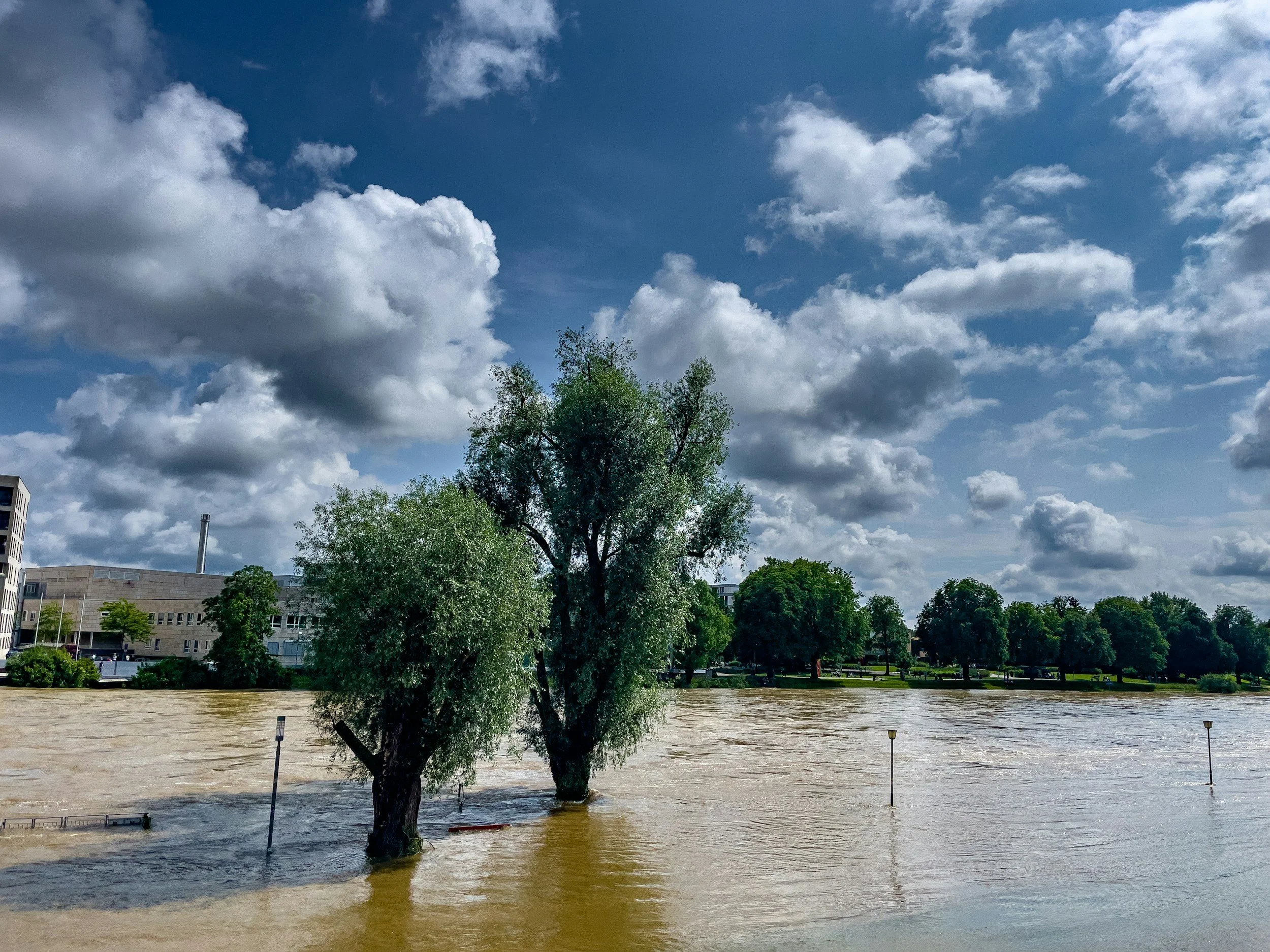
Community Response
Cirencester Town Council works with Cotswold District Council, Gloucestershire County Council, emergency services and local partners to support the community during emergencies and periods of severe weather. Our aim is to help residents, businesses and visitors stay informed, prepared and resilient during incidents such as flooding, snow, heatwaves, power outages or other local emergencies.
What We Do
Support multi-agency emergency response and share official warnings and guidance.
Coordinate and signpost to local reporting services for flooding, highways, utilities and environmental issues.
Share community preparedness advice, including flood readiness, winter support and household emergency planning.
Work with local volunteer and community groups, such as Flood Wardens and Friends of Gumstool Brook, to strengthen local resilience.
How You Can Prepare
You can help protect yourself and your community by:
Signing up for official weather warnings and alerts from trusted sources.
Creating a simple household emergency plan, including arrangements for pets and vulnerable family members.
Knowing how and where to report issues, such as flooding, blocked roads or fallen trees.
Keeping a copy of useful emergency contacts somewhere easy to access.
Useful Numbers
In a life threatening situation call 999 for the Emergency Services. If it is not life threatening but a widespread local emergency call Cotswold District Council on 01285 623000.
Police: non-emergency 101, emergency 999
Fire & Rescue Service: non emergency 01452 888 777, emergency 999
Gloucestershire Highways Emergency Line: 08000 514514
Cirencester Community Fire and Rescue Station : 0800 180 4140
NHS: non-emergency 111, 999 emergency
Electricity power cuts/Power cables: 105 or 0800 6783105 (whatever the supplier)
Gas: 0800 111 999 (emergency line)
Main river flooding - Environment Agency incident hotline: 0800 80 70 60
Floodline - Flood Warnings: 0345 988 1188 Sewer or water main flooding:
Severn Trent Water: 0800 783 4444 (emergency line)
Thames Water: 0800 3169800 (emergency line)
Wessex Water: 0345 6004600 (emergency line)
Surface Water, Roads and Pavements: Gloucestershire Highways: 08000 514 514 (emergency line)
Anti Terrorist Hotline: 0800 789321
Crimestoppers: 0800 555 111
Gloucestershire Rural Community Centre: 01452 528491 (Organise the Volunteer Flood Wardens)
Healthwatch Gloucestershire: 08006525193
NHS Direct 111
Additional Resources
Gloucestershire Highways Winter and Severe Weather
Flooding In the Cotswolds Guide
Gloucestershire Flood Guide
Gloucestershire Flood Reporting tool
Friends of Gumstool Brook ‘An essential guide to flooding’ which you can access and download at: https://gumstool.org.uk/wp-content/uploads/2025/12/flooding-general-information-and-contact-details-copy.pdf
Emergency school closures
Met Office - Weather warnings & forecasts
BBC Radio Gloucestershire
Flood resilience for property owners: Blue Pages Directory (www.bluepages.org.uk ) for products & supplies and the 'Six Steps to Property Level Flood Resilience'
Household Emergency Plan Template
Flooding Emergency Contact List
Are You Ready Booklet
The Winter Emergency Summary information on this page can be downloaded as a fact sheet.
Gloucestershire Highways will refill grit bins before each winter season and give town and parish councils a limited stock of bagged salt to replenish bins within the season. If you have a request to fill an empty grit bin in Cirencester email info@cirencester.gov.uk. The salt in the bins is intended for use on the public highway only. Please do not use grit from these bins to clear your own driveways or paths. For further information on Snow Clearance, Gritting and Grit Bins Gloucestershire Highways Winter and Severe Weather page explains in detail the current provisions.
During an Emergency
If there is immediate danger, always contact the emergency services.
For widespread local incidents, such as flooding or severe weather affecting multiple households, follow official guidance and local updates.
Avoid travelling unless necessary and do not put yourself at risk.
Check on neighbours where it is safe to do so, particularly those who may need extra support.
Grit Bins
Get Involved — Help Your Community
Being prepared is a community effort. You can:
· Join or connect with local volunteer groups such as Flood Wardens or river monitoring partners.
· Create or share your own community emergency plan with neighbours.